Essays
Longer arguments on AI backends, harnesses, and running agents in production.
12 essays · since 2026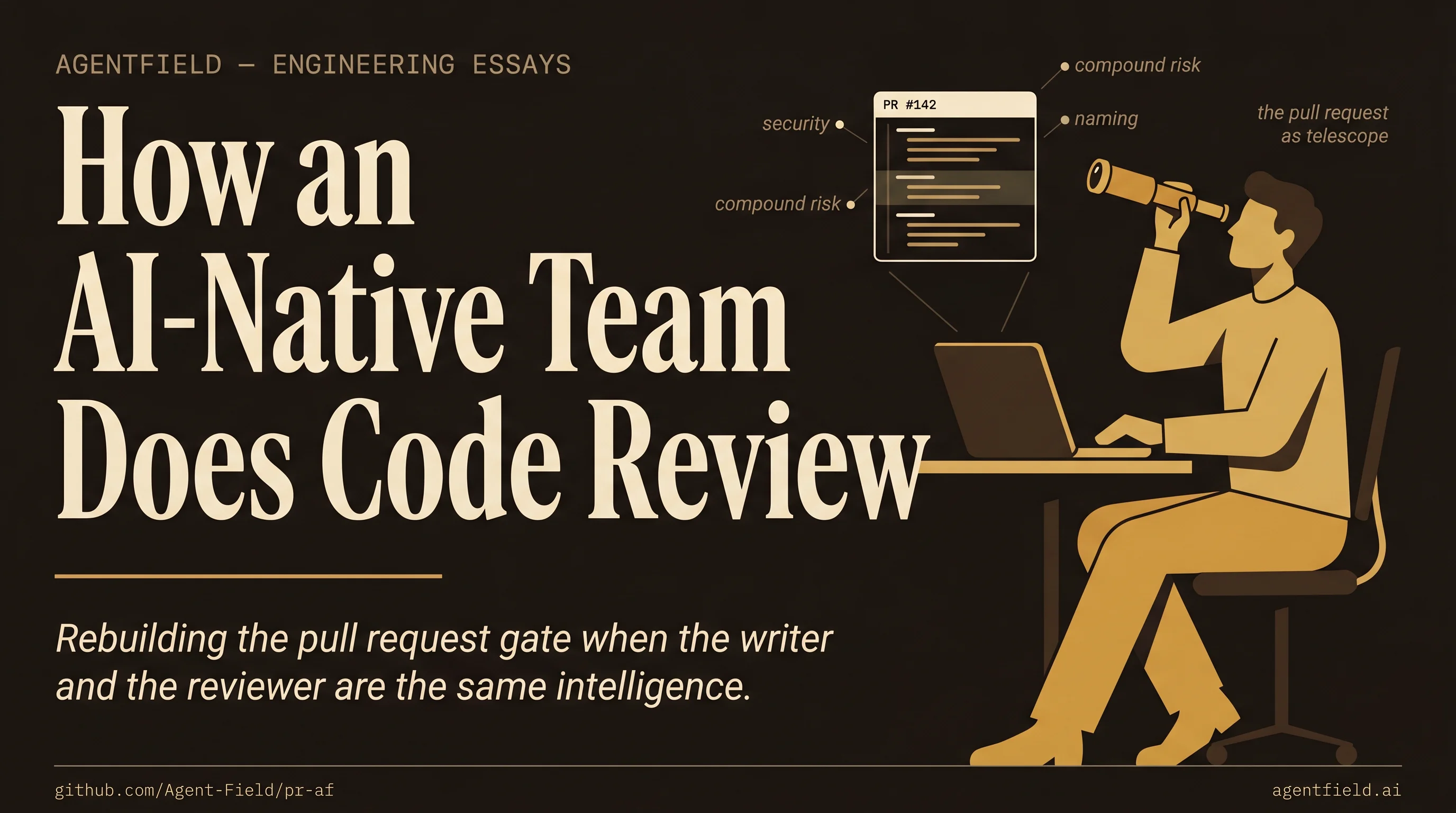 How an AI-Native Engineering Team Does Code ReviewWhen the writer and the reviewer are the same intelligence, the pull request gate stops doing what it was designed to do. We rebuilt code review at AgentField from the ground up — what changed, why, and what we open-sourced.Read
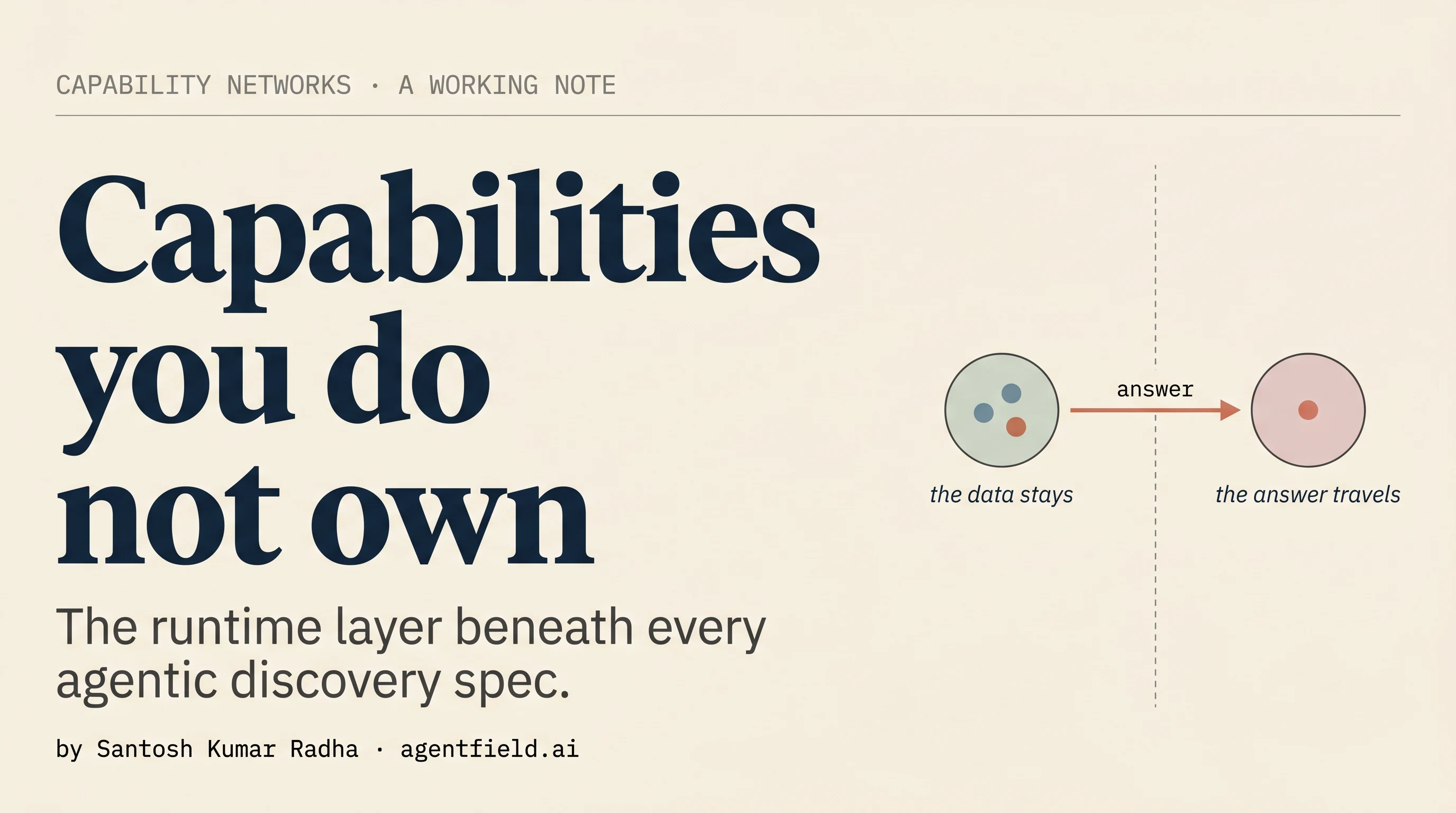
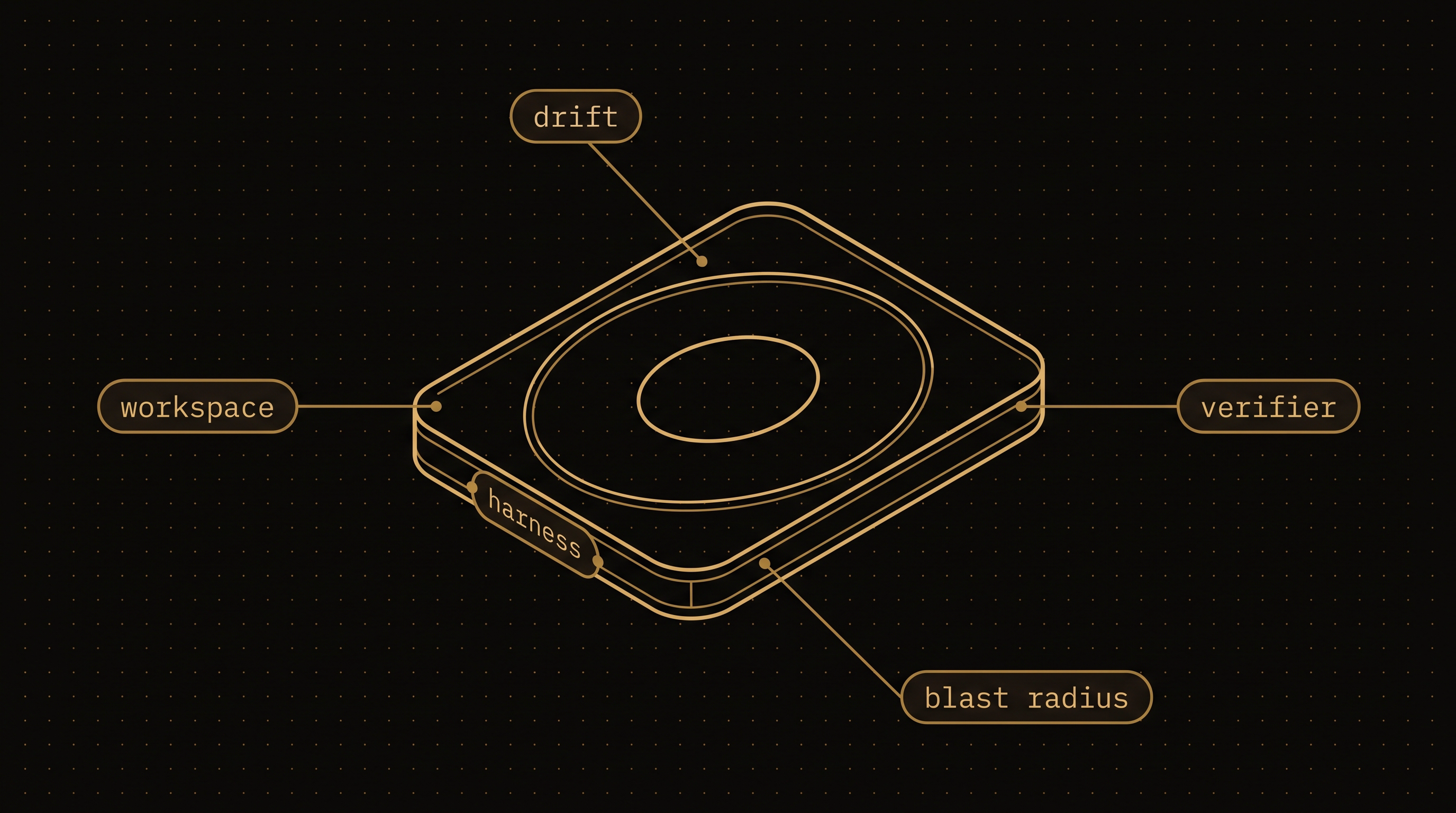
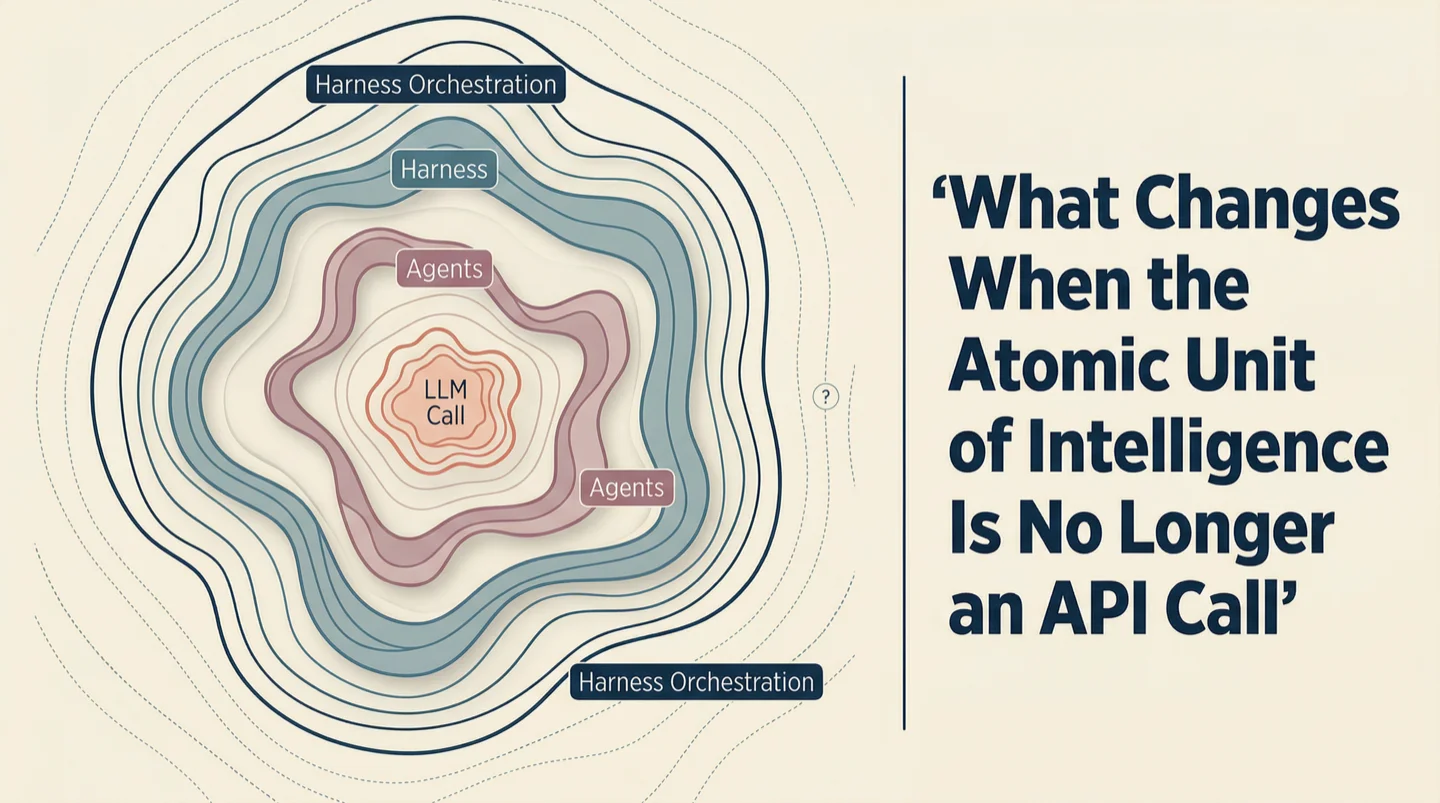
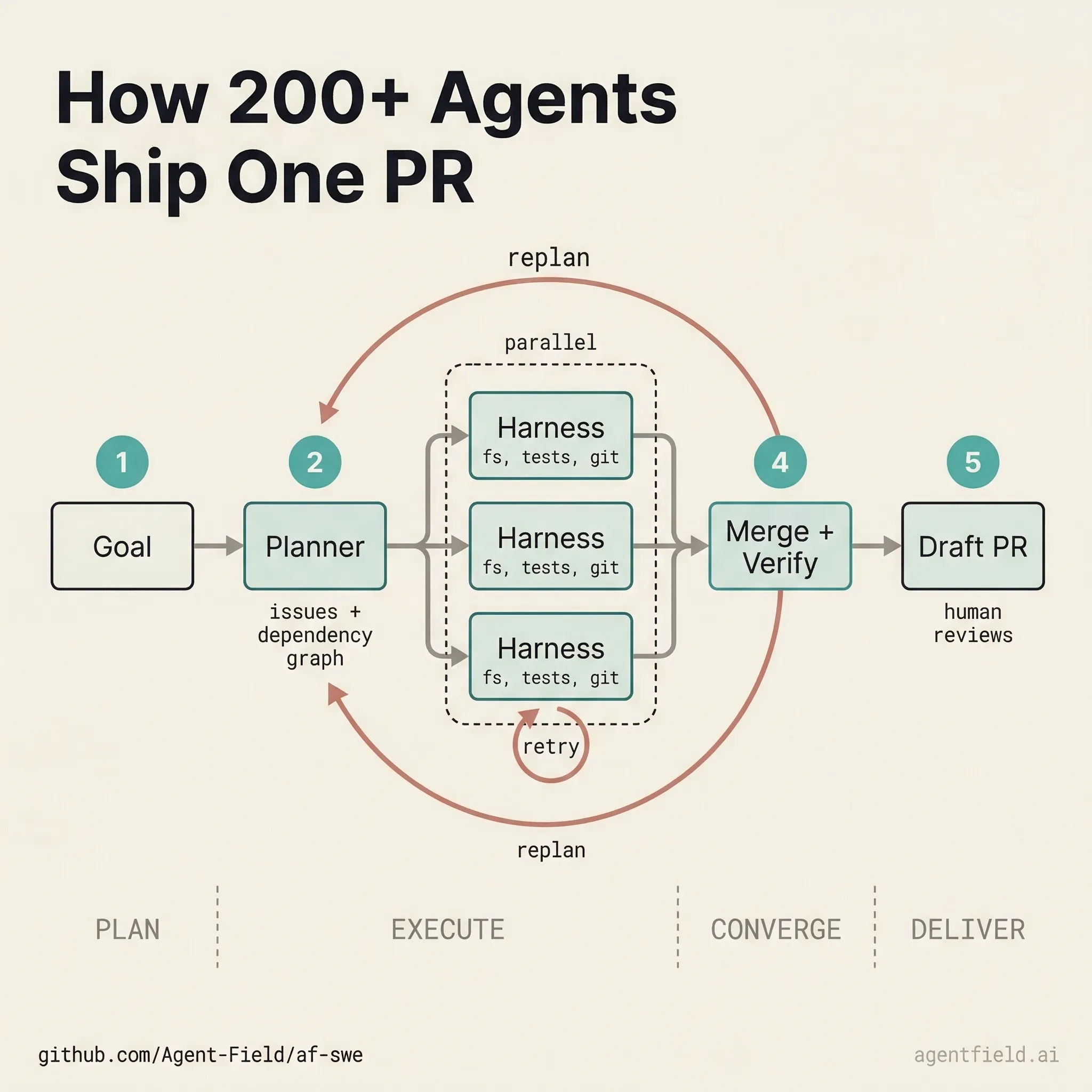
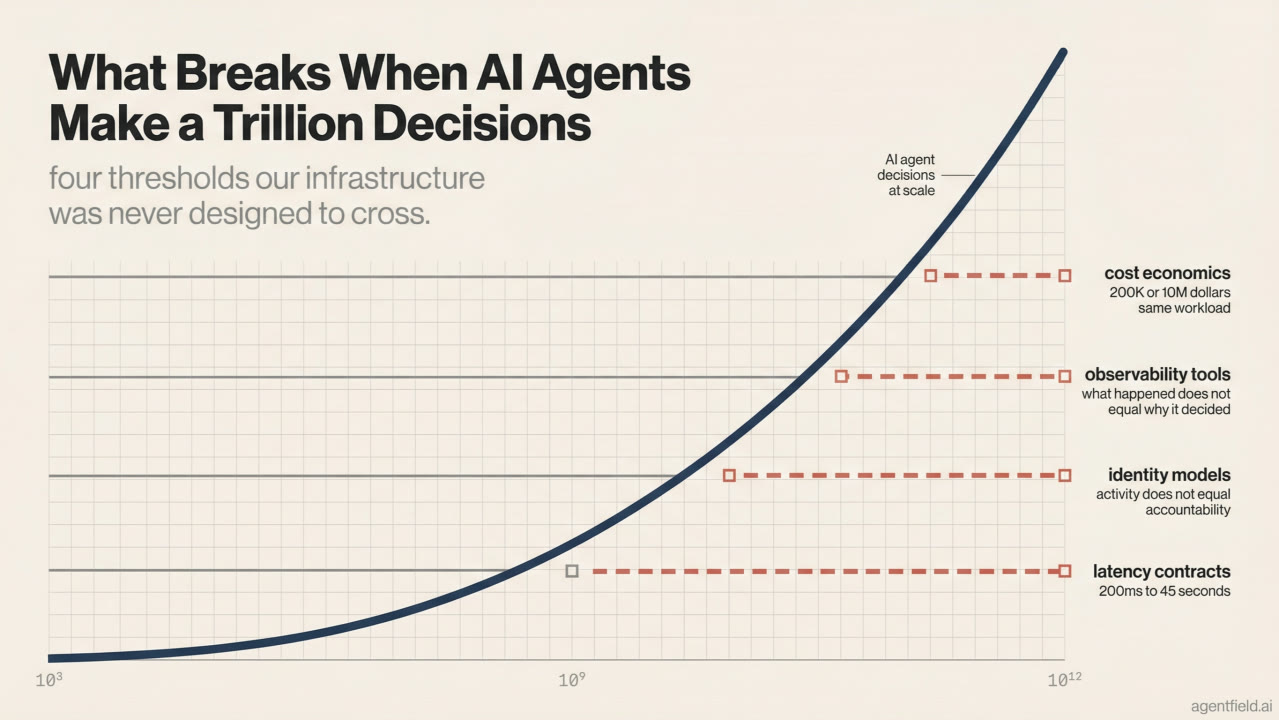
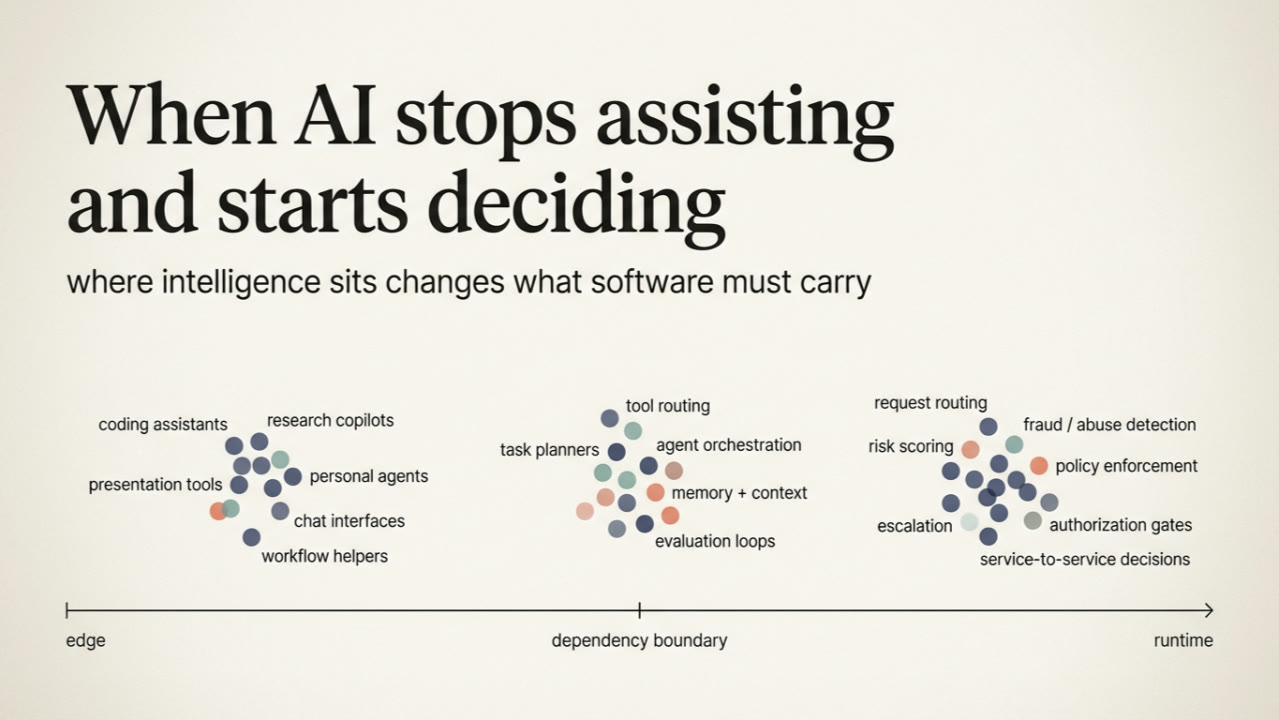
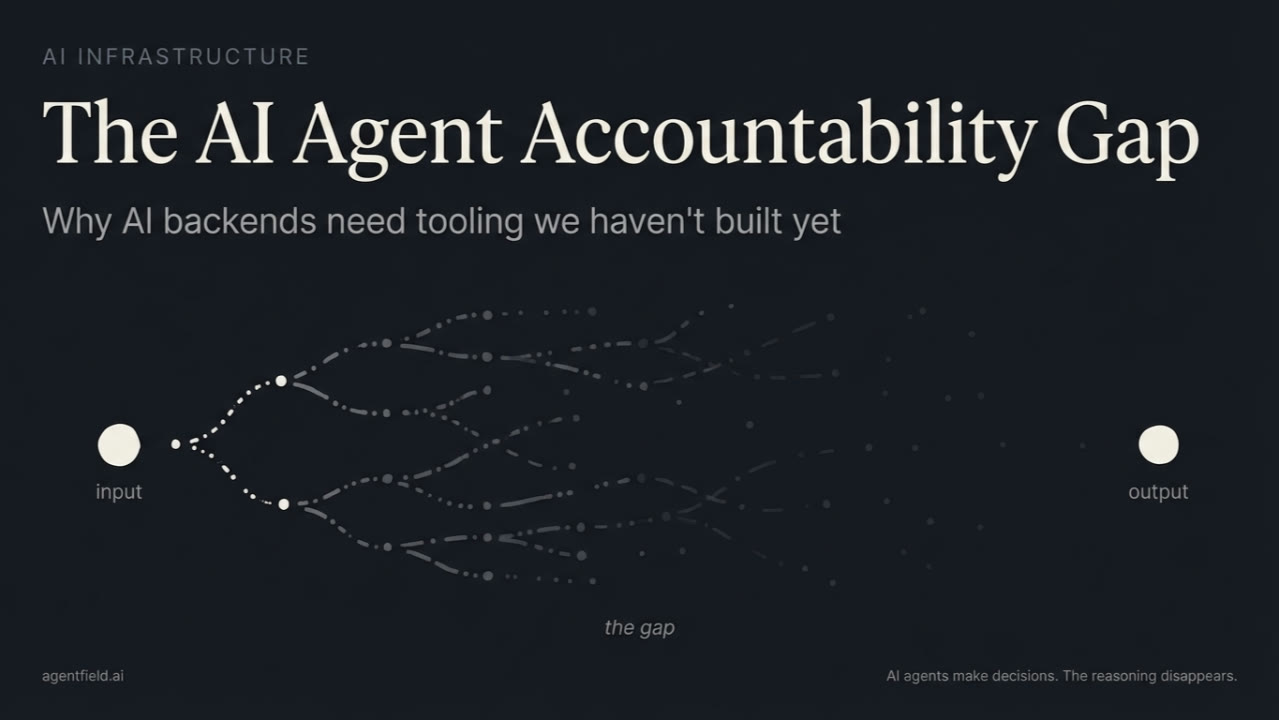
jun 2026Capabilities You Do Not OwnTwenty years of integration have run on copying data across a boundary. Agentic consumers make that trade worse. Agentic Resource Discovery is the visible half of the response. The runtime layer that has to sit beneath it is the harder half, and data platforms are the most natural place to see it land.9 minmay 2026The Hidden Primitive Behind Claude Code, Codex, and GeminiPart 2 of the harness orchestration series. Four properties of the boundary surface of a single harness: the workspace it reads at startup, the boundary that drifts while it runs, the verifiers it can and cannot see, and the blast radius the team can afford to undo.10 minapr 2026An Engineer's Guide to Harness OrchestrationWhy orchestration changes when the unit decides for itself. The harness is a fundamentally new kind of computational object, defined by agency, embodiment, and persistence in one primitive. Part 1: The Black Box.13 minapr 2026What is harness orchestration?What changes when the atomic unit of intelligence is no longer an API call, or no longer a single LLM call. From invoking one model to orchestrating teams of autonomous harnesses like Claude Code, Cursor, Codex, Gemini, and the systems built above them.12 minmar 2026Beyond Vibe Coding: How We Ship Production Code with 200 Autonomous AgentsWhat we learned orchestrating 200+ Claude Code instances on a shared codebase: two LLM primitives, three nested failure loops, and checkpoint-based execution.15 minfeb 2026What Breaks When AI Makes a Trillion DecisionsThe world makes hundreds of billions of API calls every day. Each call carries a decision. Most of these decisions are hardcoded into configuration files and compiled binaries. But that's starting to change, and the infrastructure isn't ready.8 minjan 2026A Useful Way to Think About Where AI Fits in SoftwareThe speed at which agent-style systems have moved from research to daily use has been remarkable, even as their impact inside real business environments remains uneven. A clearer split begins to appear when you look at where intelligence sits in the architecture.8 minjan 2026The AI Agent Accountability GapWhy AI backends need tooling we haven't built yet. When a returns agent approved a $12,000 refund it shouldn't have, nothing looked wrong. The logs showed no errors, every validation check passed. The problem was that no one could explain why it made that call.9 mindec 2024The Move from Monolithic AI to Modular SystemsWhat a documentation chatbot taught us about building AI features that scale. When web applications hit complexity, we extracted microservices. The same evolution is happening with AI.7 mindec 2024IAM for AI BackendsHow DIDs and Verifiable Credentials enable trust for AI agents13 mindec 2024The AI BackendFive years from now, every serious software company will have an AI backend - a reasoning layer that sits alongside their services, making decisions that used to be hardcoded.6 min